
In a competitive market where countless businesses fight for attention, branding is far more than a logo or a catchy slogan. It is the very identity of a company: the promise it makes to customers, the values it represents and the experience it delivers.
Strong branding not only sets a company apart from competitors; it builds trust, loyalty and recognition, the foundations of long-term growth.
1. What branding truly means
Branding is the combination of visual, verbal and emotional elements that define how a company is perceived. Many people reduce it to logos, colours or advertising, but its scope is far broader:
- Visual identity: logos, colours, typography and design elements that make a company instantly recognisable.
- Voice and messaging: the tone and style that convey the company’s personality and values.
- Customer experience: every interaction, from product quality to customer service, shapes brand perception.
A strong brand tells a story and evokes emotions, which makes it easier to remember.
2. Building trust and credibility
Consistency is at the heart of effective branding. When a company keeps the same identity across its website, social media, packaging and advertising, it signals reliability and professionalism. Customers trust businesses that look polished, coherent and committed to their promises.
Consider a startup launching in a saturated industry: even with an excellent product, without clear branding it risks being overlooked. A well-crafted brand conveys credibility and shows the business is serious about its mission.
3. Standing out from competitors
In crowded markets, products and services often look alike. Branding gives a company a unique voice and identity. Think of technology brands that, with minimalist design and a focus on innovation, build an emotional connection that goes beyond functionality: branding turns products into experiences.
4. Driving customer loyalty
A memorable brand creates emotional connections. When customers share a company’s values, they stay loyal and recommend it: repeat business and word of mouth are invaluable for growth.
Customers are willing to pay more for brands they trust.
That’s why strong branding can command premium pricing, and brand equity becomes a real business asset.
5. Supporting business growth
Investing in branding is not about aesthetics; it’s about strategy. A strong brand makes it easier to launch new products or enter new markets: customers who already trust you are more open to new offerings, which lowers marketing costs.
A well-established brand also attracts top talent: people want to work for companies with a clear mission, a strong identity and a good reputation.
6. Branding in the digital age
With social media and online marketplaces, branding matters even more. Your digital presence is often a customer’s first impression. Consistent visuals, messaging and interactions strengthen recognition, and social media can build communities around shared values, turning customers into advocates.
Final thoughts
Branding is not a superficial part of a business: it is the foundation of perception, loyalty and growth. Companies that invest in clear, consistent and emotionally resonant branding set themselves up for long-term success. When choices are endless, a strong brand is not just a differentiator; it is a necessity.

Graphic designer and art director in Milan. For more than 12 years I have helped companies and brands build clear, recognisable visual identities.
More articles
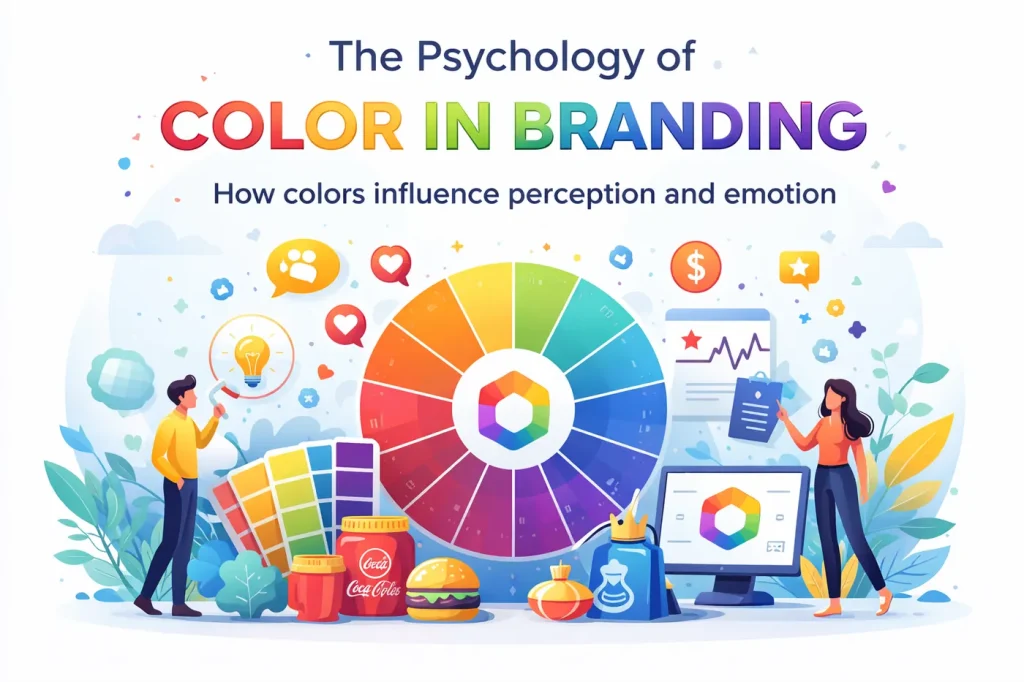
The Psychology of Colour in Branding
How colour shapes how people see your brand, and how to choose it with method.
Read the article →
Why Your Brand Is Costing You Clients (Without You Knowing)
Seven signs your image is holding your marketing back, and what to do about each.
Read the article →
The Difference Between Logo and Branding
A logo is part of a brand, not the whole of it. Here is what that means for a business.
Read the article →